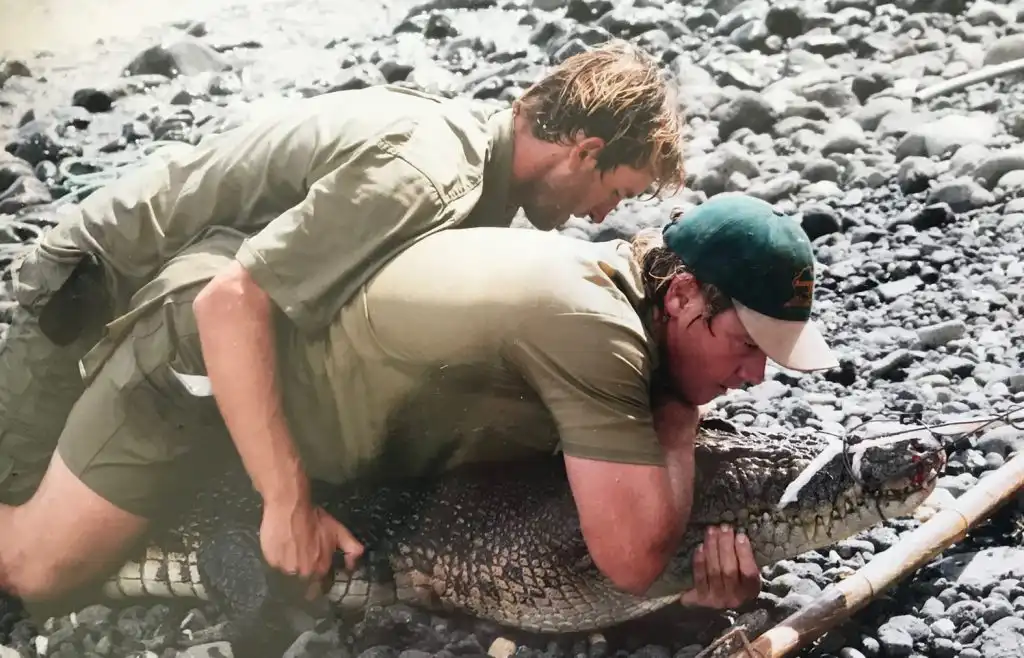
For Brian ‘Briano’ Coulter, working with wildlife isn’t a job—it’s a calling. Once the right-hand man to Steve Irwin, Briano has spent more than 30 years in the field, catching crocodiles, rescuing koalas, and dedicating his life to the protection of endangered species.
“I could have gone off to work in mining, but I knew I wanted to protect endangered plants and animals. That became my life’s mission—and it still is.”
Though he never pursued formal study, Briano spent 11 formative years under the mentorship of Steve Irwin at Australia Zoo. “I’ve never done any formal education. I’ve just done Steve Irwin’s school of hard knocks,” he says. “I was lucky—Steve was incredibly generous with his knowledge. Not everyone in the industry shares what they know, but he did. Maybe he knew he wasn’t going to be around forever.”
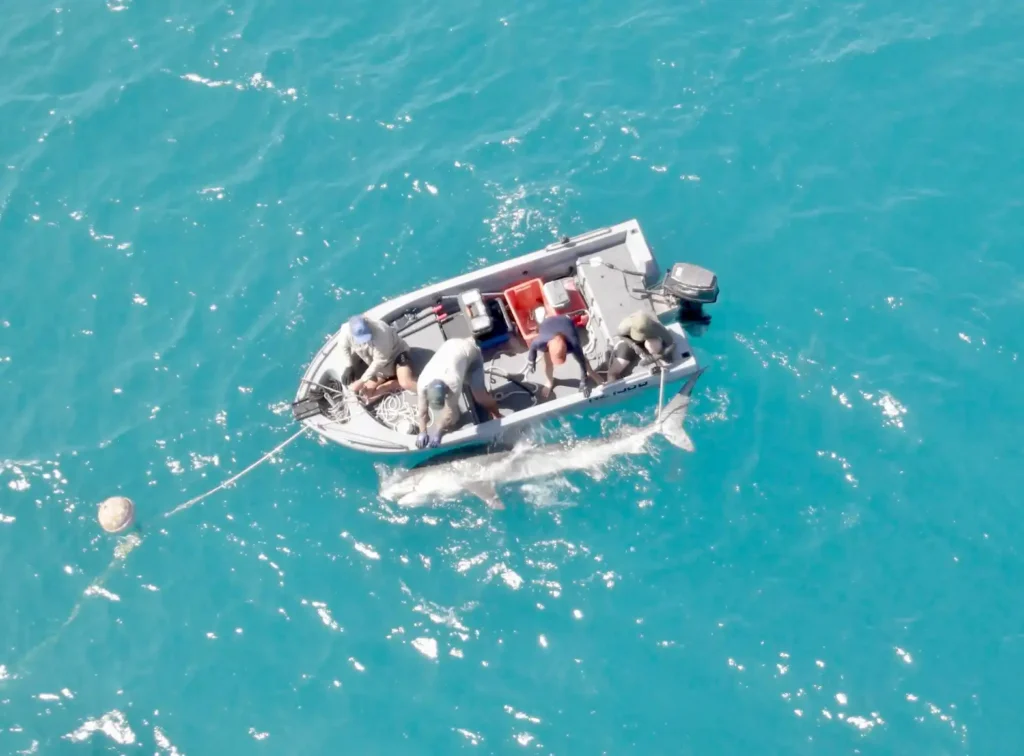
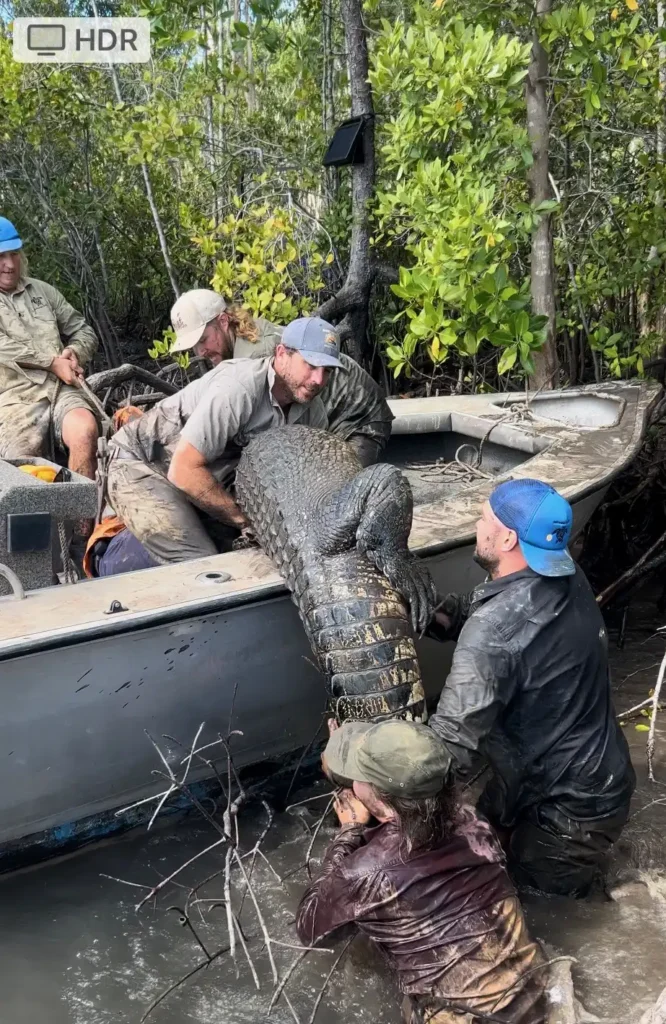
Briano progressed to become Curator of Crocodiles at the zoo, responsible for some of the most high-stakes animal handling on site. In 2005, he and his wife Kate moved out of the zoo and onto Croc One, Steve Irwin’s research vessel. “We’d spend up to six months at a time on the boat, travelling all the way up to the tip of Cape York, the Torres Strait—filming, doing research, catching crocs. Every trip was different.”
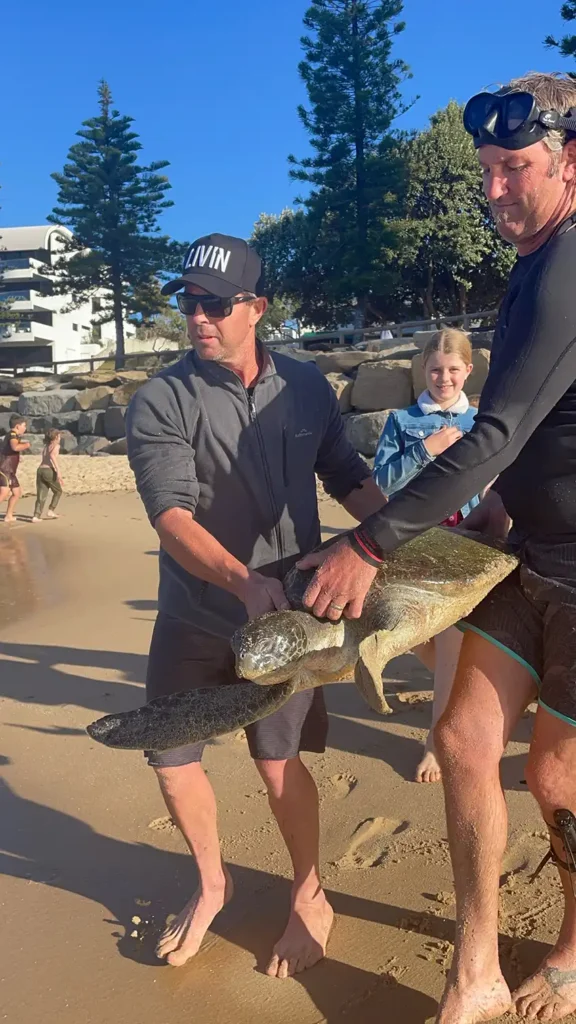
After returning to the zoo, Briano launched the Australia Zoo Wildlife Rescue Unit, leading a team of six rescuers. “We dealt with trauma every day—kangaroos hit by cars, birds tangled in fishing line, sea turtles with flippers torn off by crab pot ropes. It was hard work, but so important.”
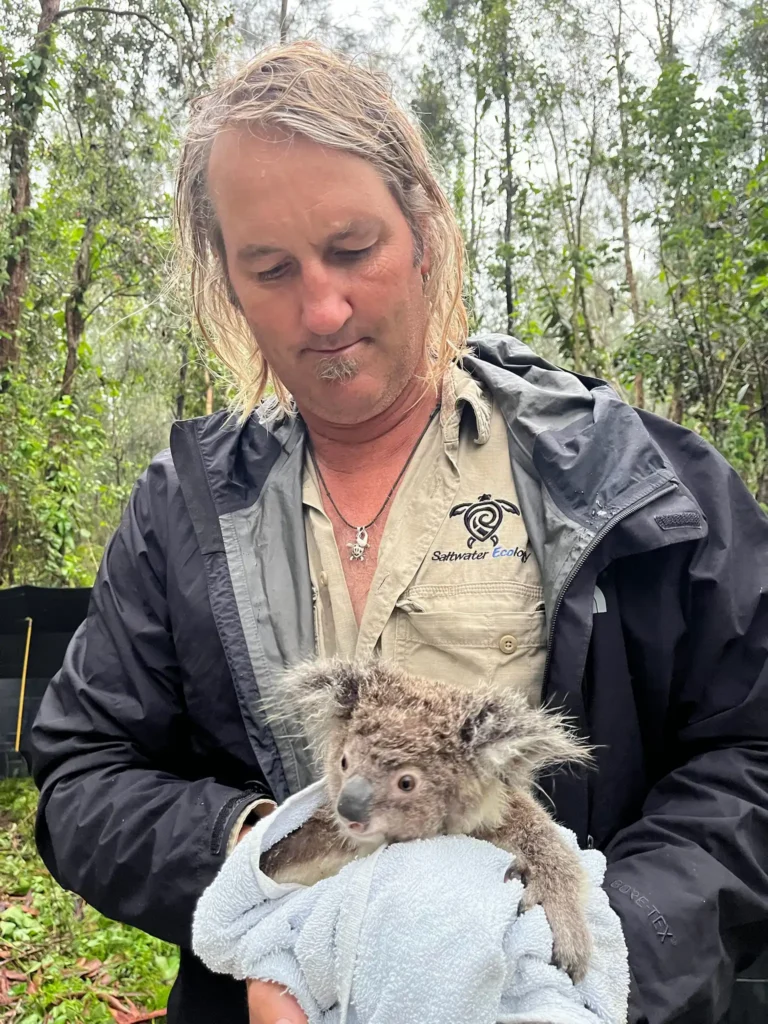
That work laid the foundation for his next chapter. In 2012, Briano founded Saltwater Ecology, an organisation that applies wildlife handling skills to real-world environmental challenges. Now working alongside Endeavour Veterinary Ecology, his focus is koala management—especially in areas threatened by development.
“When large infrastructure projects are approved in areas with existing koala populations, we’re brought in to help manage the risks and support good outcomes for the animals,” he explains. “That includes locating koalas in the field, assessing their health, monitoring how they’re using the landscape—and, where possible, moving them out of harm’s way.”
The scale of the work can be significant. “In some corridors, we’ve managed more than 500 koalas,” he says. “Each site comes with its own challenges—whether it’s disease, fragmented habitat or human-related threats. Our role is to identify the risks and work towards stabilising or rebuilding the population. In some areas, we’re now starting to see real signs of recovery, which is incredibly rewarding.“
Briano also shares his passion with the next generation, speaking at schools and events like Montessori careers days. “There are so many more pathways into wildlife work now,” he says. “When I started, it was just small wildlife parks or National Parks and Wildlife. Now the opportunities are growing—especially with species like koalas and greater gliders federally listed as endangered.”
“It’s encouraging to see the government stepping in to monitor these species and provide funding to organisations working on the ground. The more we learn about these animals, the better we can manage and protect them.”
From catching crocodiles in East Timor and Costa Rica to relocating sugar gliders on the Sunshine Coast, Briano’s work spans continents and species—but always with the same mission: to protect and preserve.