
Seniors often yearn or speak about the good old days? But were they really that good?
Freedom for kids was certainly good in the 1950s. No screens, not even a blaring television. No self-appointed influencers peddling fact-free opinions and the must-have benefits of Made-in-China rubbish.
Freedom was ambling to primary school in scuffed sandals; riding an ancient Malvern Star to the distant beach on summer Saturdays; an unfussed mother whose son disappeared to God knows where but was back home for dinner.
Yes, freedom was good. That’s what we want to remember because it is human nature to remember the good things, the positives.
But all was not positive in those good old days.
The scourge of polio is now all but forgotten. The iron lungs of the 1950s are gone thanks to the Salk, and later Sabin, vaccines. Kids at school in leg callipers are no longer the regular sight they once were.
We now live longer. Life expectancies climbed dramatically from an average 69 years in the early 1950s to 84 years now. That’s an improvement beyond imagining in those not so distant good old days.
Maternal mortality has more than halved although still disproportionally high in rural and remote areas when compared with cities and larger towns.
Infant mortality was around 22 deaths per 1,000 live births in the 1950s. Today the rate is under 3 per 1,000. That’s 700% better.
The 1950s saw 24% of Australians own a vehicle – bus or truck or car. And today? 80%, yet road fatalities have fallen dramatically.
Around 2,000 Australians died on the roads each year in the 1950s when the national population was about nine million. That’s 23 road fatalities per 100,000 population.
The worst year ever was 1970, with 3,798 road deaths. That’s 30 per 100,000.
Today? 2025 saw 1,314 deaths, or 4.8 per 100,000. That’s a small but worrying uptick from 2019, the “best” year ever at 4.3 per 100,000.
Any road fatality is one too many but today’s Australia would see 9,000 road fatalities annually if the 1970 rate still applied.
Real wealth is far higher now. But only 67% own their home today, a fall from the high of 71% in the mid-1960s. The good old days were a touch better.
Home ownership was better then but the houses were not. Three bedroom one bathroom brick veneer homes with linoleum floors in the kitchen and asbestos in the eaves and wall cladding were common. Are today’s McMansions better? Maybe, but they are less affordable.
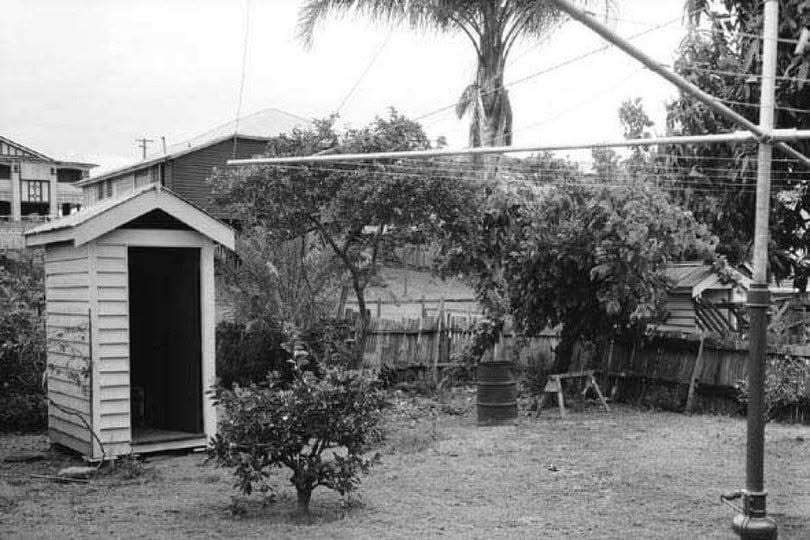
The 1950s corner store is long gone. So are twice daily mail deliveries and home deliveries of milk and bread. But the back yard dunny is also gone, and today’s much-criticised supermarkets carry a range of goods unheard of in the days of the corner store.
So which era is better? That’s in the eye of the beholder. But it’s fair to say that any nostalgic look back at the good old days should be viewed through spectacles that are not rose coloured.