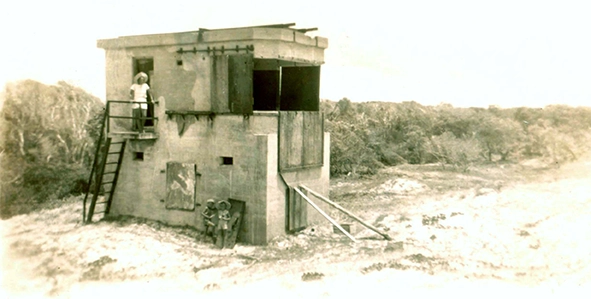
Did you know that there was once an Army camp stretching 1.2 kilometres long, complete with a searchlight at each end, on the northern end of Bribie Island?
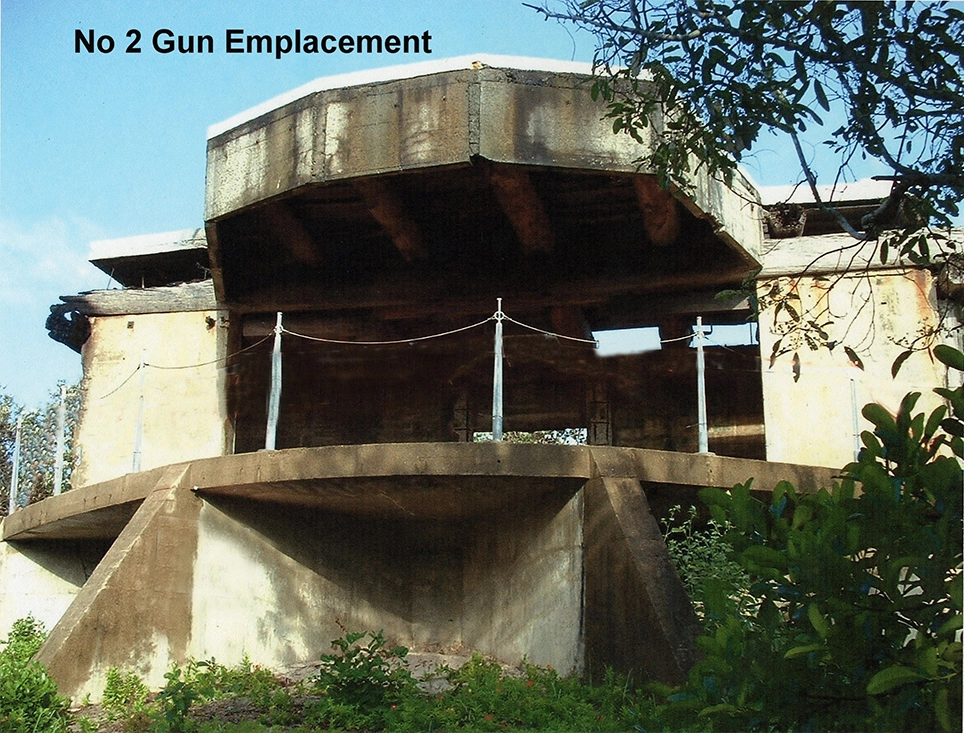
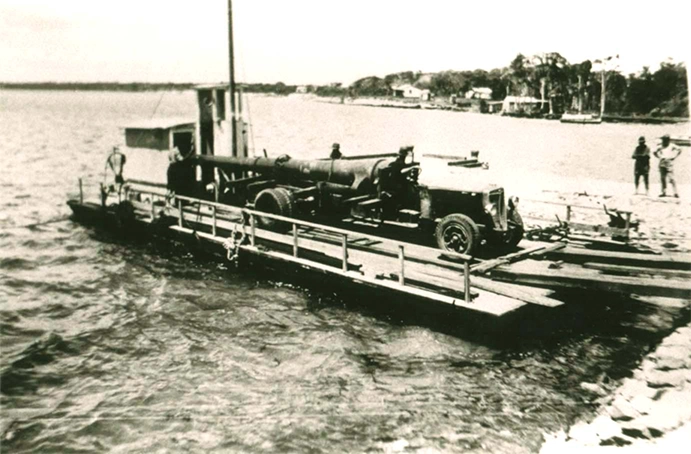
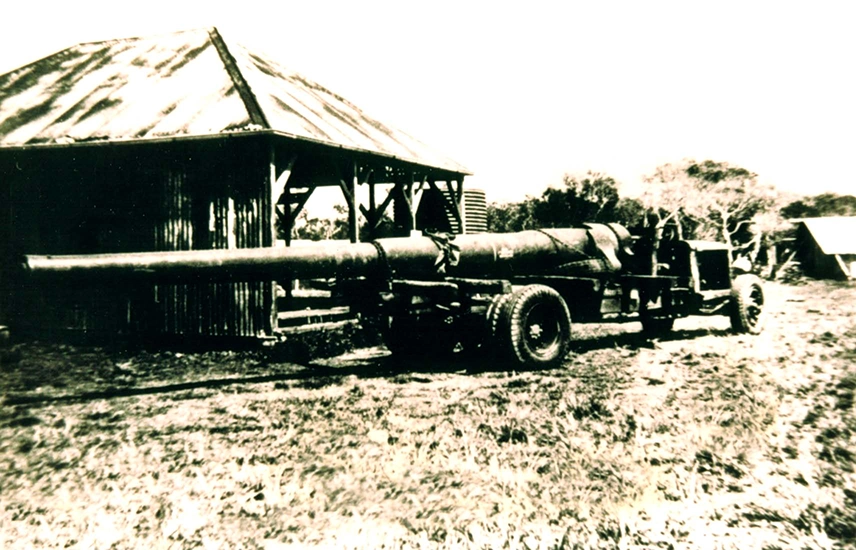
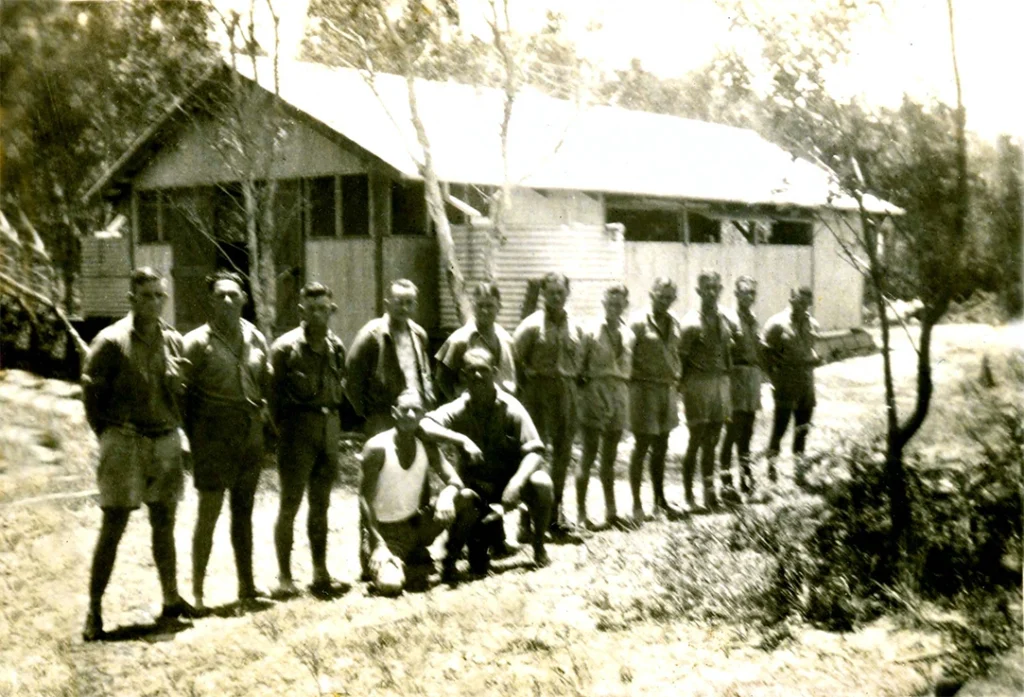
The remains of the camp are located approximately 8 kilometres south of the island’s northern tip. Within the camp are two large gun emplacements (though the guns themselves are gone), still standing today. There were also sleeping quarters for men and women, a post office, toilets, a mess hut—just to name a few facilities.
Anne Wensley remembers: “In 1976, our family went to Bribie Island in a fishing dinghy for a picnic. After the picnic, we went exploring and stumbled across these massive structures in a state of disrepair. I had no idea what they were. I wrote to the government for information. The reply shocked me: ‘CLASSIFIED INFORMATION’.”
All World War II information was classified for 50 years—until the mid-1990s. That’s when we discovered just how important Caloundra and North Bribie Island were during the war, especially after Japan entered the conflict as our enemy.
In a surprise attack by Japan, 177 Japanese aircraft destroyed the U.S. base at Pearl Harbor, in the American territory of Hawaii, in December 1941. Then, in February 1942, Darwin was attacked by 188 Japanese aircraft. 235 people were killed, 400 injured, many ships were sunk, and much of the town was destroyed.
Until that point, Australians had felt far removed from the war. But the threat was now real.
With a small population of around 6–7 million—most living in the south-east—it was decided to focus on protecting areas south of Brisbane. This strategy became known colloquially as ‘The Brisbane Line’.
Because Caloundra and Bribie Island lay north of Brisbane, they were considered the ‘front door’ to Australia in the event of an attack.
Barracks were established at the Bribie camp. Soldiers were stationed on the island to maintain the gun emplacements. Interestingly, no guns were ever fired.
In 1942, Caloundra was taken over by American and Australian forces, and North Bribie became one of many lookout and fortification sites. Some of these fortifications remain today, though others have been lost to the sea as Bribie Island continues to erode. The camp is now managed by Queensland Parks and Wildlife Service.