
If we want a more pedestrian-friendly Caloundra, it’s going to take thoughtful planning. The international benchmark for walkable communities is known as a “ped shed”—short for pedestrian radius. It means placing everyday amenities within 400 metres of where people live, so residents can walk instead of drive, for example, to pick up a litre of milk.
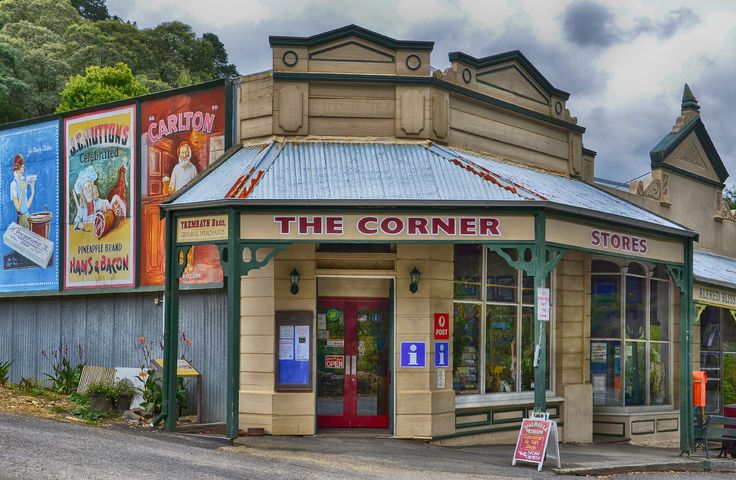
If you’re lucky enough to have a corner store within 400 metres of your home, you’re in the minority. Most Caloundra residents don’t. Why? Historically, communities were designed by engineers before urban planning was even a profession. Caloundra is still catching up.
In 1985, Caloundra didn’t have a formal Town Plan—only an “Interim Development Bylaw.” Back then, there was a tug-of-war between traditional engineering priorities and the emerging principles of good urban design, which recognised that residents value nearby amenities and safe, accessible paths within a 400-metre radius—an internationally accepted standard for liveable neighbourhoods. In higher-density areas, this distance shrinks and the number of amenities increases.
Caloundra’s beaches and foreshore parks are stunning, but here’s something surprising: more than ten of them don’t have a toilet. They might have barbecues, seating, and ocean views—but no loo. Can we do better? Absolutely.
Ask yourself, what could make Caloundra more usable, accessible and walkable for you or your family?
Is there a footpath—and is it wide enough for safe access?
Is there a toilet, some shade or a handrail to help negotiate steps?
Is there a shop near your home you can walk to when you run out of milk or want a coffee or loaf of bread?
Council does a great job maintaining the amenities we have, but when it comes to locating them close enough to where people actually live and walk, there’s still room for improvement.
Post your suggestions on the Caloundra Chronicle Facebook page.
Image by Phil Jackson 1947