BY SUE WARREN
There is something about lighthouses that is both romantic and adventurous. The very thought conjures up images of windswept islands and rocky headlands, waves breaking on shores and seawalls and custodians safeguarding all who brave the perils of the sea.
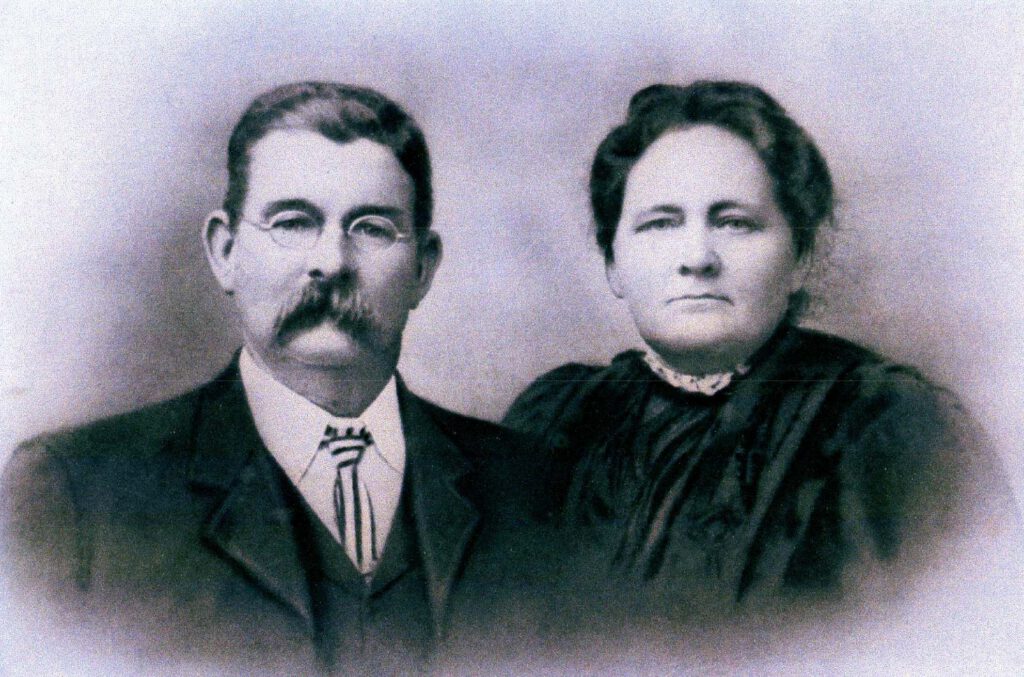
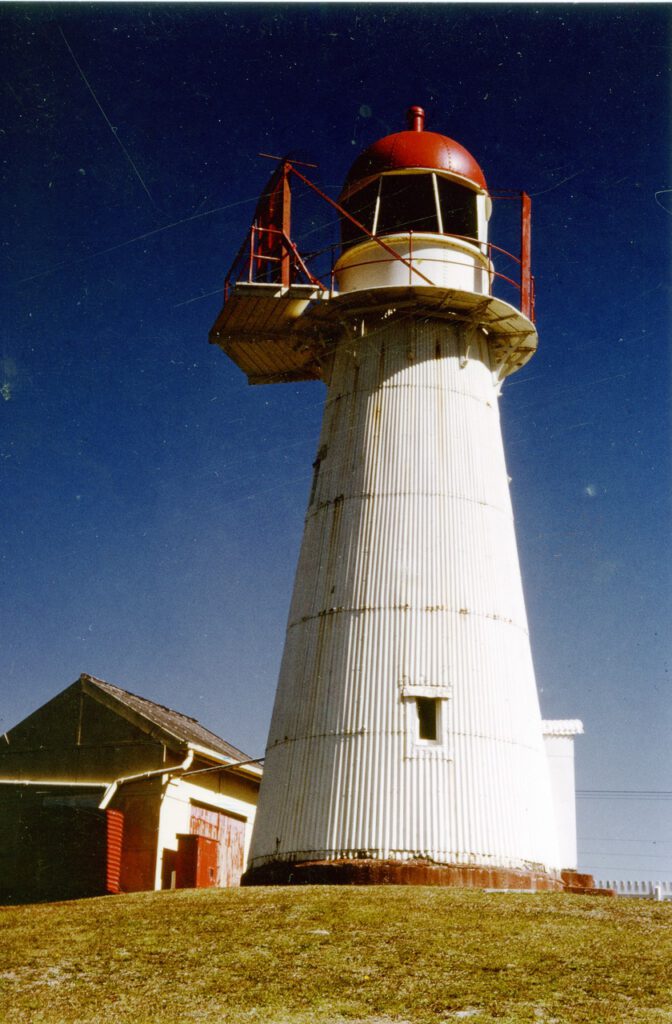
Many locals know that the Caloundra Lighthouse is an iconic relic of our early colonial history. But how many know the history of Carl Edlundh, the first Caloundra Lighthouse Keeper, his tenure and his family, and alongside that the early white settlement of Caloundra in the late 19th century?
Along with many others, due to the extreme poverty in 19th century Sweden, Carl left his homeland seeking a better life. He was 12 years old when he went to sea – a dangerous life for a grown man in those times, let alone a boy. By 1875, and after many near-misses and risky adventures, Carl ended up in Australia. He was 18 by this time and became an Australian citizen the following year.
By 1882 he was living in Brisbane, married Dorothea Mehrens, and had found work with the Queensland Lighthouse Service. In the years that followed, the couple had nine children and Carl worked at the following lighthouses: Assistant to the Government pilot in Moreton Bay: assistant Cape Cleveland lighthouse, keeper of Pine Islet Lighthouse ; keeper of Cape Moreton Lighthouse; superintendent of Pile Lighthouse Moreton Bay, and eventually keeper of the newly built Caloundra lighthouse from 6th September 1896.
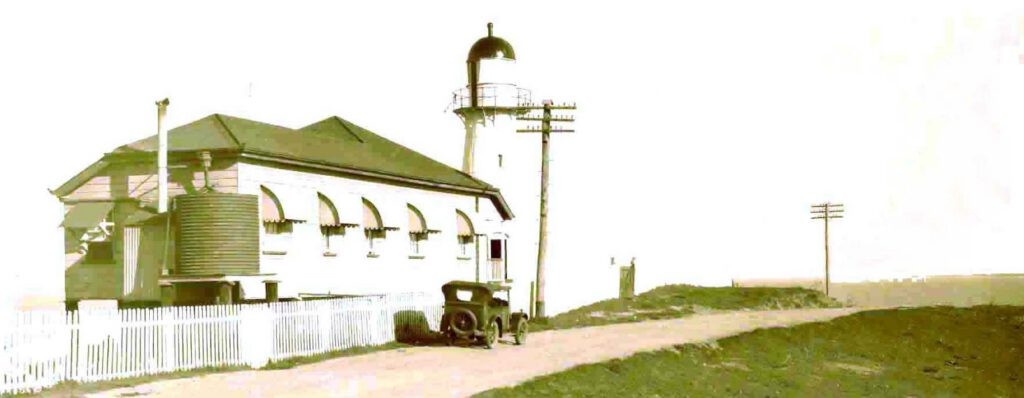
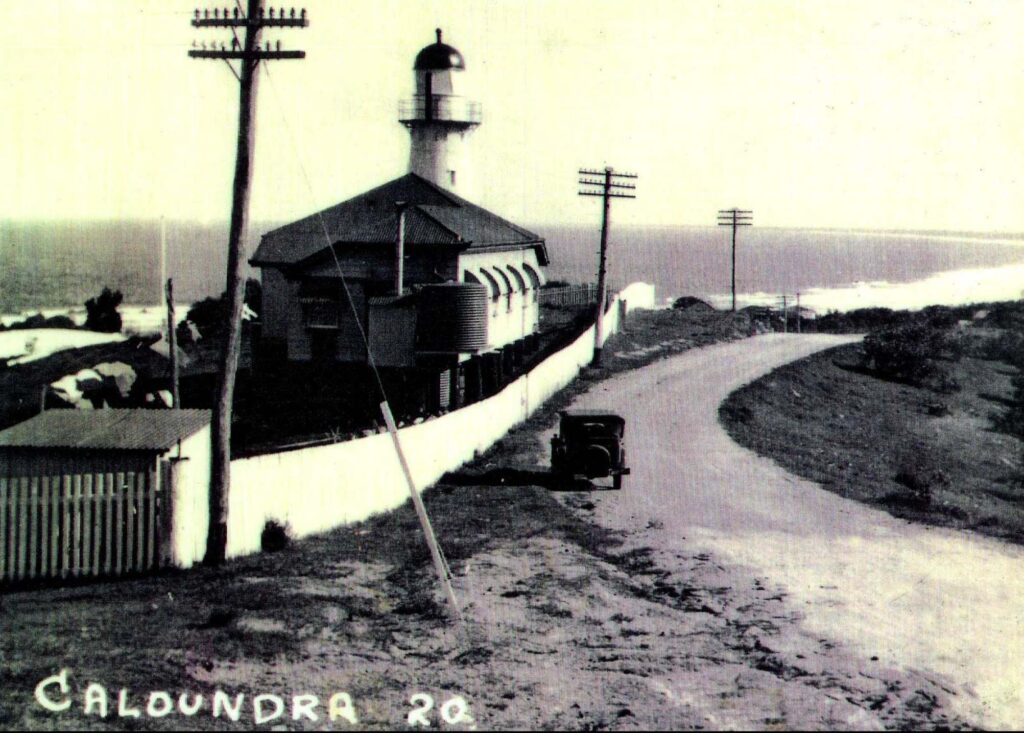
Until 1883 there were only four houses in Caloundra, consequently the lighthouse was quite isolated in its early years. For Carl and Dorothea, the keeper’s cottage, “Valhalla”, became their home for the next 20 years. It was not just a home, but a school for their children and others, as well as the post and telegraph office. Quite literally, this residence became the heart of a growing community.
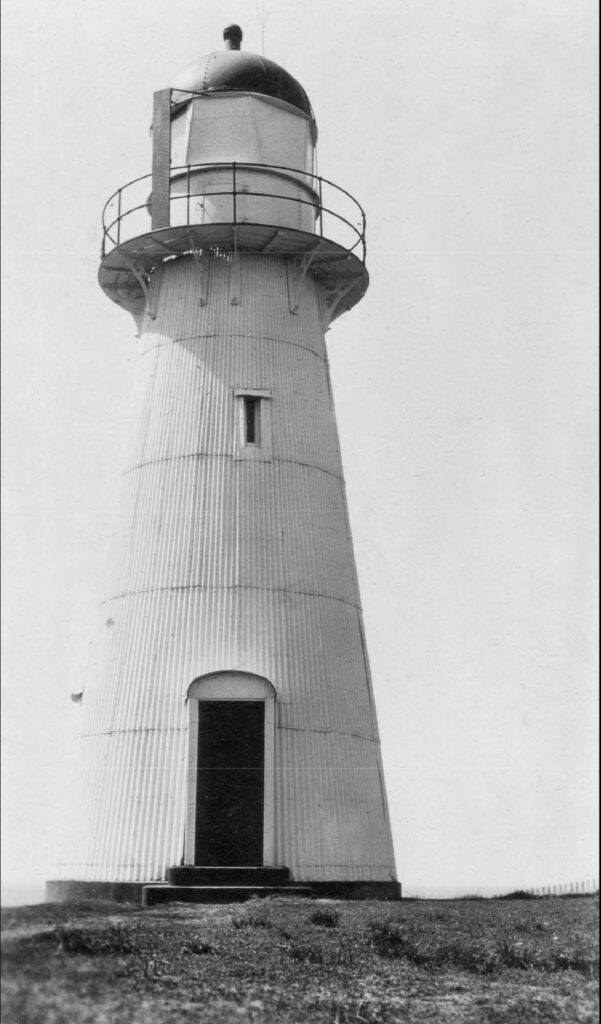
The role of the early lighthouses on the Sunshine Coast, as well as other Australian lights, was immensely important as so much traffic of goods and passengers was by sea. The Caloundra lighthouse was regarded as the best of the three that marked the North-West Channel (the other two being on Bribie Island) and known as the ‘key’ to Moreton Bay.
When Carl retired, he and Dorothea chose to remain in Caloundra and had a house in Arthur St, quaintly named ‘Emoh Ruo’, in that particularly whimsical and common way of early 20th century Australia.
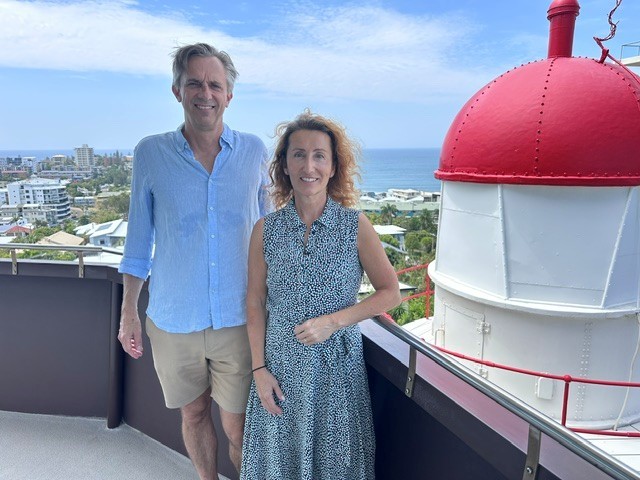
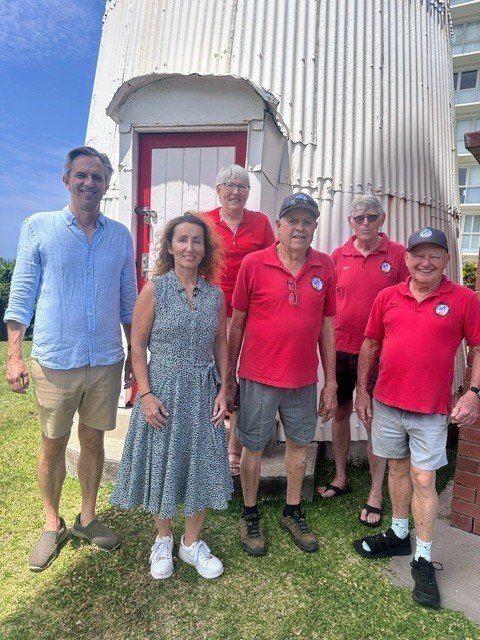
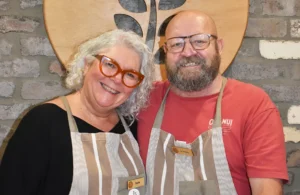
Recently Carl’s descendant, great-great-grandnephew Fredrik, was able to visit Caloundra after years of research, gradually piecing together his ancestor’s story. Volunteers from Friends of the Lighthouse were able to give Fredrik a special tour and share even more information with him.
Carl Edlundh’s contribution to the early white history of Caloundra is a significant one, and it is remembered in family histories, local records and newspaper articles as well as a Pelican Waters court named for him.
When you next see the lighthouse, the oldest surviving building in Caloundra, spare a thought for Carl, its original esteemed guardian.
The Caloundra Lighthouses are open to visitors on the second and fourth Saturday of each month, weather permitting. Entry is $5 for adults and free for children. Private tours can also be arranged — to book, contact Roger Todd on 0403 107 654.