
Tanya Hicks describes herself as a “sparkly alien”—bright, intense, and deeply out of place in a world that didn’t understand her brain or body. Misdiagnosed and misunderstood for much of her life, Tanya was often told she was “too much.” But receiving her autism and ADHD diagnoses as an adult wasn’t just a label—it was, in her words, “a coming home.”
That revelation ignited a fire within her to create “the kind of spaces I had always needed—spaces where neurodivergent people aren’t just accepted but celebrated.”
From that fire came Neurodivergent Empowered, a movement and physical sanctuary grounded in lived experience and radical acceptance. Central to Tanya’s work is the philosophy she calls Authenticity Architecture—a practice born from a single, urgent question: “What do neurodivergent people truly need to thrive—not just cope?” Tanya quickly realised traditional models were not enough. “So I started designing an ecosystem that blends trauma-informed care, nervous system nourishment, somatic healing, identity work, and joy.”
Far from a cookie-cutter solution, Authenticity Architecture offers people “the blueprint to design a life that reflects who they truly are—not who they’re told to be.” At its core, the approach fosters “radical self-trust and alignment,” a state Tanya believes is the key to becoming “unstoppable” and shifting from survival to liberation.
The embodiment of this philosophy is The Nest—a purpose-built, sensory-conscious space and the heart of Neurodivergent Empowered. “Every detail—from the lighting and furniture to the rhythms of our programs—has been intentionally crafted to meet sensory, emotional, and relational needs.”
The Nest offers therapist-led, interest-based programs for autistic and ADHD children, teens, and adults, all of which centre “connection, identity, and empowerment.” But perhaps most importantly, it’s a place where “people can breathe, belong, and be. For many, it’s the first place they’ve ever felt truly safe to be themselves.”
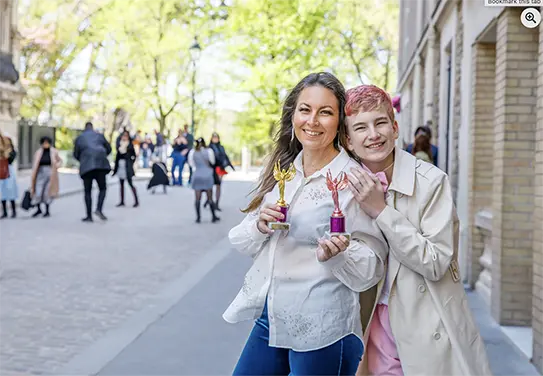
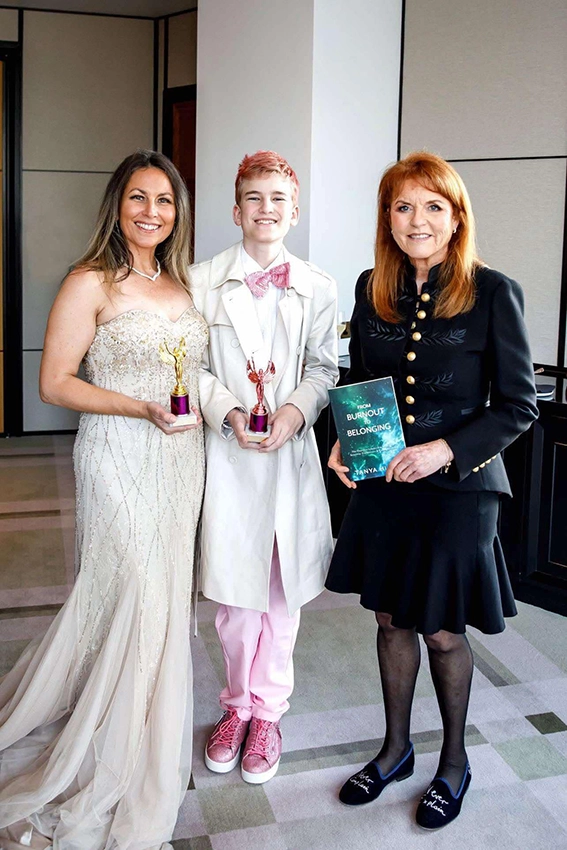
In 2024, Tanya’s work received global recognition when she won Gold for Women in Education and Bronze for Advocacy at the Women Changing the World Awards. For Tanya, this acknowledgement was deeply personal. “Growing up, I never imagined someone like me could win awards like these. But these wins aren’t just mine—they belong to every person who’s ever felt unseen, unheard, or unworthy.” Beyond validation, the awards amplify a bigger message: “that neurodivergent lives, perspectives, and leadership matter.”
That message echoed on international stages in Paris and London, where Tanya shared her pioneering Oxytocin Leadership Model—a leadership philosophy centred on emotional safety, trust, and authentic connection. In contrast to traditional, transactional leadership models, Tanya’s approach “prioritises people over performance.” She explains, “Oxytocin—the hormone of bonding—symbolises the kind of leadership we need: one that fosters belonging, creativity, and collaboration.” Designed with neurodivergent needs in mind, the model creates a ripple effect that transforms entire communities, organisations, and schools.
When asked what lasting change she hopes to spark in the world, Tanya is clear:
“That every neurodivergent person—child, teen, or adult—feels safe enough in their body and their life to stop surviving and start belonging. I want to shift the world from trying to make us ‘fit in’ to redesigning it so we all belong. That’s the change I’m here to lead.”
Through courage and lived experience, Tanya Hicks is not just empowering individuals—she’s reshaping systems. And in doing so, she’s changing the world.
neurodivergentempowered.com